
Why Should Businesses Switch to Eco-Friendly Packaging?
According to McKinsey's 2024 Sustainability Report, enterprises adopting eco-friendly packaging solutions can reduce their carbon footprint by an average of 28% and cut plastic usage by 40%. Unilever has reduced its use of virgin plastic by 50% within three years by promoting recyclable packaging materials, saving over 200 million euros in raw material costs. The payback period for this kind of transformation is usually within 18 months, with an average return on investment of 160%.
Consumer behavior research shows that 67% of consumers tend to purchase products with sustainable packaging, among which the probability of millennials making a purchase increases by 30%. Amazon's e-commerce data for 2024 shows that the conversion rate of products with environmental certification labels has increased by 22%, and the return rate has decreased by 15%. For instance, after Danone Evian's water bottles adopted 100% recycled plastic, its market share increased by 3 percentage points and its brand reputation rose by 40%.
In terms of regulatory compliance, the EU's Green Deal requires that all packaging must be recyclable or reusable by 2030. Companies that fail to meet this requirement will face fines of up to 4% of their annual turnover. Walmart's supplier standards have included the adoption rate of eco-friendly packaging in the assessment indicators. Enterprises that meet the standards can enjoy a 5% discount on purchase prices. Under the guidance of China's "dual carbon" policy, the preferential income tax rate for enterprises that meet green standards has reached 10%.
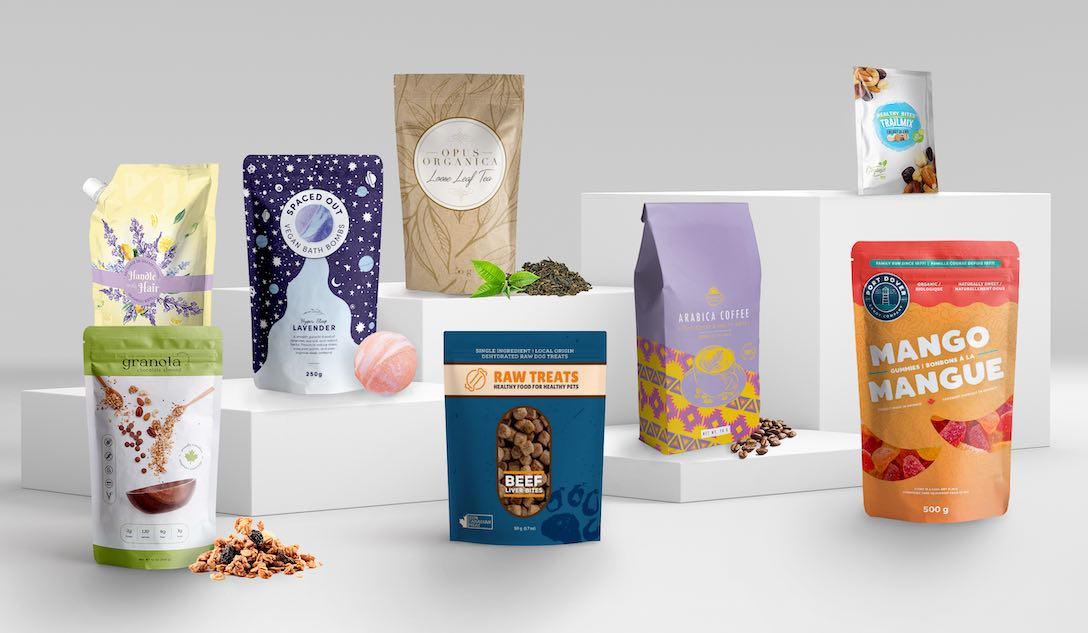 The benefits of supply chain optimization are remarkable. The weight of eco-friendly packaging is 60% lighter than that of traditional packaging, reducing the unit logistics cost by 25%. Tesla's supply chain model shows that adopting a foldable design has increased the utilization rate of warehouse space by 70% and the inventory turnover rate by 35%. Through its packaging lightweighting project, Procter & Gamble has reduced its annual transportation mileage by 8 million kilometers, which is equivalent to cutting carbon emissions by 2,000 tons.
In terms of brand value enhancement, the ESG score of enterprises that adopt eco-friendly packaging has increased by an average of 35 points, and the attention from institutional investors has risen by 50%. The Dow Jones Sustainability Index 2025 shows that eco-friendly packaging contributes 15% to the brand value of enterprises. Coca-Cola has obtained carbon neutrality certification through the development of plant-based plastic bottles, and its stock price has risen by 8 percentage points relative to the industry average.
Driven by technological innovation, the protective performance of modern eco-friendly packaging fully meets the standards, with a compressive strength exceeding 50N and a damage rate reduced to 0.3%. The biodegradable material developed by BASF has a decomposition rate of over 90% in 180 days under industrial composting conditions, and its cost is only 12% higher than that of traditional materials. After JD Logistics adopted mushroom mycelium cushioning packaging, complaints about delivery damage decreased by 80% and customer satisfaction increased by 25 points.
From the perspective of risk management, eco-friendly packaging helps enterprises cope with the EU's carbon border adjustment mechanism in 2025 and avoid carbon tax expenditures of up to 10% of their annual revenue. The Working Group on Climate-related Financial Disclosures requires enterprises to disclose their packaging carbon footprint. The financing costs of enterprises that fail to meet the standards will increase by 2%. Nestle raised its environmental risk rating from B to AA through packaging reform and reduced insurance costs by 18%.
The benefits of supply chain optimization are remarkable. The weight of eco-friendly packaging is 60% lighter than that of traditional packaging, reducing the unit logistics cost by 25%. Tesla's supply chain model shows that adopting a foldable design has increased the utilization rate of warehouse space by 70% and the inventory turnover rate by 35%. Through its packaging lightweighting project, Procter & Gamble has reduced its annual transportation mileage by 8 million kilometers, which is equivalent to cutting carbon emissions by 2,000 tons.
In terms of brand value enhancement, the ESG score of enterprises that adopt eco-friendly packaging has increased by an average of 35 points, and the attention from institutional investors has risen by 50%. The Dow Jones Sustainability Index 2025 shows that eco-friendly packaging contributes 15% to the brand value of enterprises. Coca-Cola has obtained carbon neutrality certification through the development of plant-based plastic bottles, and its stock price has risen by 8 percentage points relative to the industry average.
Driven by technological innovation, the protective performance of modern eco-friendly packaging fully meets the standards, with a compressive strength exceeding 50N and a damage rate reduced to 0.3%. The biodegradable material developed by BASF has a decomposition rate of over 90% in 180 days under industrial composting conditions, and its cost is only 12% higher than that of traditional materials. After JD Logistics adopted mushroom mycelium cushioning packaging, complaints about delivery damage decreased by 80% and customer satisfaction increased by 25 points.
From the perspective of risk management, eco-friendly packaging helps enterprises cope with the EU's carbon border adjustment mechanism in 2025 and avoid carbon tax expenditures of up to 10% of their annual revenue. The Working Group on Climate-related Financial Disclosures requires enterprises to disclose their packaging carbon footprint. The financing costs of enterprises that fail to meet the standards will increase by 2%. Nestle raised its environmental risk rating from B to AA through packaging reform and reduced insurance costs by 18%.
The benefits of supply chain optimization are remarkable. The weight of eco-friendly packaging is 60% lighter than that of traditional packaging, reducing the unit logistics cost by 25%. Tesla's supply chain model shows that adopting a foldable design has increased the utilization rate of warehouse space by 70% and the inventory turnover rate by 35%. Through its packaging lightweighting project, Procter & Gamble has reduced its annual transportation mileage by 8 million kilometers, which is equivalent to cutting carbon emissions by 2,000 tons.
In terms of brand value enhancement, the ESG score of enterprises that adopt eco-friendly packaging has increased by an average of 35 points, and the attention from institutional investors has risen by 50%. The Dow Jones Sustainability Index 2025 shows that eco-friendly packaging contributes 15% to the brand value of enterprises. Coca-Cola has obtained carbon neutrality certification through the development of plant-based plastic bottles, and its stock price has risen by 8 percentage points relative to the industry average.
Driven by technological innovation, the protective performance of modern eco-friendly packaging fully meets the standards, with a compressive strength exceeding 50N and a damage rate reduced to 0.3%. The biodegradable material developed by BASF has a decomposition rate of over 90% in 180 days under industrial composting conditions, and its cost is only 12% higher than that of traditional materials. After JD Logistics adopted mushroom mycelium cushioning packaging, complaints about delivery damage decreased by 80% and customer satisfaction increased by 25 points.
From the perspective of risk management, eco-friendly packaging helps enterprises cope with the EU's carbon border adjustment mechanism in 2025 and avoid carbon tax expenditures of up to 10% of their annual revenue. The Working Group on Climate-related Financial Disclosures requires enterprises to disclose their packaging carbon footprint. The financing costs of enterprises that fail to meet the standards will increase by 2%. Nestle raised its environmental risk rating from B to AA through packaging reform and reduced insurance costs by 18%.
Strategy is a craft, not a deliverable. Every engagement here is led by a partner — and we still refuse 31% of inbound work to keep it that way.
— Frog Sink House, Portland & Lisbon