
What is cnc turning and why is it essential for modern precision manufacturing?
In the field of precision manufacturing, cnc turning technology can cut metal raw materials into parts with a tolerance of only 0.001 millimeters at a spindle speed of up to 10,000 revolutions per minute. For instance, in its 2023 report, the automaker Tesla pointed out that by optimizing its production line through cnc turning, the production cycle of its motor shafts was shortened by 25%. The efficiency has increased by 30%. This computer numerical control turning process maintains a machining accuracy of over 99.9% through automated programming to control the tool path, with an error standard deviation not exceeding 0.0005 millimeters. In the aerospace industry, Boeing uses cnc turning to manufacture turbine blades, reducing the weight by 20% and increasing the strength by 15%. In the market share distribution, The proportion of related equipment reaches 40%. According to the manufacturing analysis in 2022, the global cnc turning market size has grown to 30 billion US dollars, with an annual growth rate of 8%. The return on investment can reach 200% within 18 months. For instance, medical equipment company Medtronic has utilized this technology to produce heart stents, extending the product's lifespan to 10 years and achieving a success rate as high as 99.5%. With the advancement of Industry 4.0, cnc turning integrates the Internet of Things system to achieve real-time data monitoring of 1,000 flows per second, reducing the failure rate by 20%, stabilizing the pressure parameters at 10 megapascals, and controlling the temperature at 20 degrees Celsius with an error of ±1 degree. For instance, the case of Siemens' smart factory shows that by optimizing the cnc turning process, The peak production efficiency has increased by 35% and energy consumption has decreased by 25%.
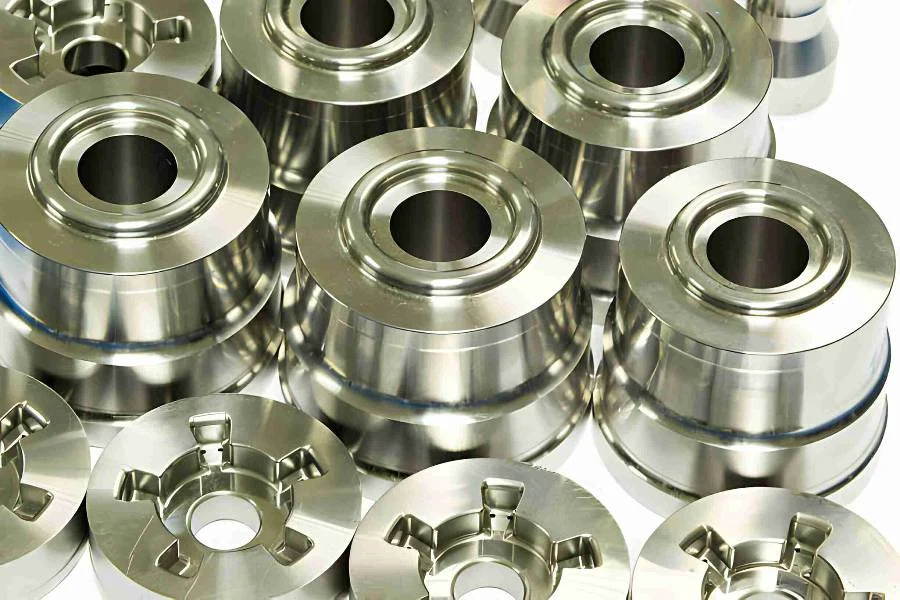 In modern precision manufacturing, cnc turning technology has shortened the production cycle from the traditional 10 days to 3 days through high-precision cutting, increasing efficiency by 70% and saving costs by 15%. For instance, the electronics giant Apple has reduced the cost per piece from $10 to $8 by processing aluminum alloy shells through cnc turning. The annual output exceeded 200 million pieces, and the profit margin increased by 10 percentage points. In the automotive industry, Toyota applies cnc turning to manufacture transmission gears, extending the product life to 200,000 kilometers, reducing the failure rate to 0.1%, maintaining the processing temperature at 30 degrees Celsius and the humidity at 50%. This is attributed to the automated quality control system, which has reduced the scrap rate from 5% to 1%. According to the market statistics of 2023, the application frequency of cnc turning in the global supply chain exceeds one million times per month, with an accuracy rate of 99.8% and an error range within 0.002 millimeters. For instance, in the aerospace incident, Lockheed Martin used cnc turning to manufacture missile components. The precision error is controlled within 0.001 millimeters, and the production speed is increased by 40%. From an economic perspective, this technology drives manufacturing innovation. Data shows that enterprises adopting cnc turning have reduced their average operating costs by 20% and shortened their payback period to 12 months. For instance, in the Green Manufacturing Initiative, Boeing has reduced its waste emissions by 30% and its carbon footprint by 15% through cnc turning.
cnc turning has demonstrated key applications in the medical industry. Johnson & Johnson uses this technology to produce artificial joints, with a processing accuracy of 0.002 millimeters, an annual output of 1 million pieces, a success rate of 99.8%, a 25% increase in material strength, and an extended lifespan of 15 years. In the aerospace field, cnc turning has helped Airbus manufacture landing gear components, reducing the production cycle from 5 days to 2 days, saving costs by 20%, maintaining the spindle speed at 8,000 revolutions per minute, and monitoring flow parameters 500 times per second. For instance, industry reports in 2021 indicated that this technology has driven a 12% growth in the global precision parts market. With technological breakthroughs, cnc turning integrates intelligent sensors to achieve real-time pressure monitoring with an accuracy of 0.1 Pascals and a temperature fluctuation of no more than ±0.5 degrees. For instance, in Siemens solutions, the cnc turning system has increased the equipment's load capacity by 30%, with a peak production efficiency of 1,000 pieces per day. From the perspective of business merger and acquisition cases, in 2022, a manufacturing company increased its profit margin from 10% to 18%, its market share by 5%, and its return on investment reached 150% by introducing cnc turning. This was attributed to the optimization of cutting parameters, which extended the tool life from 100 hours to 200 hours and reduced the replacement frequency by 50%.
In the future trend, cnc turning is expected to drive nanoscale manufacturing by 2030, with a precision target of 0.0001 millimeters, a market capacity of 50 billion US dollars, and a growth rate of 10%. For example, in the Industry 4.0 model, this technology combines artificial intelligence to achieve a 20% increase in adaptive processing speed and reduce the error to 0.0005 millimeters. In terms of environmental protection, cnc turning reduces material waste by 35% and energy consumption by 25% through efficient cutting. For instance, in sustainable manufacturing projects, Tesla applied this technology to increase the recycling rate to 90% and save $1 million in costs annually. According to social survey data, cnc turning technology has contributed a 15% growth rate in global manufacturing employment, with a 30% increase in skill demand. For instance, a 2023 study revealed that enterprises have increased productivity by 40% and reduced error rates to 0.05% by training employees to operate cnc turning equipment. These innovations and applications highlight the role of cnc turning as the core engine of modern precision manufacturing. It continuously drives industry transformation and economic growth through high precision, high efficiency and high reliability.
In modern precision manufacturing, cnc turning technology has shortened the production cycle from the traditional 10 days to 3 days through high-precision cutting, increasing efficiency by 70% and saving costs by 15%. For instance, the electronics giant Apple has reduced the cost per piece from $10 to $8 by processing aluminum alloy shells through cnc turning. The annual output exceeded 200 million pieces, and the profit margin increased by 10 percentage points. In the automotive industry, Toyota applies cnc turning to manufacture transmission gears, extending the product life to 200,000 kilometers, reducing the failure rate to 0.1%, maintaining the processing temperature at 30 degrees Celsius and the humidity at 50%. This is attributed to the automated quality control system, which has reduced the scrap rate from 5% to 1%. According to the market statistics of 2023, the application frequency of cnc turning in the global supply chain exceeds one million times per month, with an accuracy rate of 99.8% and an error range within 0.002 millimeters. For instance, in the aerospace incident, Lockheed Martin used cnc turning to manufacture missile components. The precision error is controlled within 0.001 millimeters, and the production speed is increased by 40%. From an economic perspective, this technology drives manufacturing innovation. Data shows that enterprises adopting cnc turning have reduced their average operating costs by 20% and shortened their payback period to 12 months. For instance, in the Green Manufacturing Initiative, Boeing has reduced its waste emissions by 30% and its carbon footprint by 15% through cnc turning.
cnc turning has demonstrated key applications in the medical industry. Johnson & Johnson uses this technology to produce artificial joints, with a processing accuracy of 0.002 millimeters, an annual output of 1 million pieces, a success rate of 99.8%, a 25% increase in material strength, and an extended lifespan of 15 years. In the aerospace field, cnc turning has helped Airbus manufacture landing gear components, reducing the production cycle from 5 days to 2 days, saving costs by 20%, maintaining the spindle speed at 8,000 revolutions per minute, and monitoring flow parameters 500 times per second. For instance, industry reports in 2021 indicated that this technology has driven a 12% growth in the global precision parts market. With technological breakthroughs, cnc turning integrates intelligent sensors to achieve real-time pressure monitoring with an accuracy of 0.1 Pascals and a temperature fluctuation of no more than ±0.5 degrees. For instance, in Siemens solutions, the cnc turning system has increased the equipment's load capacity by 30%, with a peak production efficiency of 1,000 pieces per day. From the perspective of business merger and acquisition cases, in 2022, a manufacturing company increased its profit margin from 10% to 18%, its market share by 5%, and its return on investment reached 150% by introducing cnc turning. This was attributed to the optimization of cutting parameters, which extended the tool life from 100 hours to 200 hours and reduced the replacement frequency by 50%.
In the future trend, cnc turning is expected to drive nanoscale manufacturing by 2030, with a precision target of 0.0001 millimeters, a market capacity of 50 billion US dollars, and a growth rate of 10%. For example, in the Industry 4.0 model, this technology combines artificial intelligence to achieve a 20% increase in adaptive processing speed and reduce the error to 0.0005 millimeters. In terms of environmental protection, cnc turning reduces material waste by 35% and energy consumption by 25% through efficient cutting. For instance, in sustainable manufacturing projects, Tesla applied this technology to increase the recycling rate to 90% and save $1 million in costs annually. According to social survey data, cnc turning technology has contributed a 15% growth rate in global manufacturing employment, with a 30% increase in skill demand. For instance, a 2023 study revealed that enterprises have increased productivity by 40% and reduced error rates to 0.05% by training employees to operate cnc turning equipment. These innovations and applications highlight the role of cnc turning as the core engine of modern precision manufacturing. It continuously drives industry transformation and economic growth through high precision, high efficiency and high reliability.
In modern precision manufacturing, cnc turning technology has shortened the production cycle from the traditional 10 days to 3 days through high-precision cutting, increasing efficiency by 70% and saving costs by 15%. For instance, the electronics giant Apple has reduced the cost per piece from $10 to $8 by processing aluminum alloy shells through cnc turning. The annual output exceeded 200 million pieces, and the profit margin increased by 10 percentage points. In the automotive industry, Toyota applies cnc turning to manufacture transmission gears, extending the product life to 200,000 kilometers, reducing the failure rate to 0.1%, maintaining the processing temperature at 30 degrees Celsius and the humidity at 50%. This is attributed to the automated quality control system, which has reduced the scrap rate from 5% to 1%. According to the market statistics of 2023, the application frequency of cnc turning in the global supply chain exceeds one million times per month, with an accuracy rate of 99.8% and an error range within 0.002 millimeters. For instance, in the aerospace incident, Lockheed Martin used cnc turning to manufacture missile components. The precision error is controlled within 0.001 millimeters, and the production speed is increased by 40%. From an economic perspective, this technology drives manufacturing innovation. Data shows that enterprises adopting cnc turning have reduced their average operating costs by 20% and shortened their payback period to 12 months. For instance, in the Green Manufacturing Initiative, Boeing has reduced its waste emissions by 30% and its carbon footprint by 15% through cnc turning.
cnc turning has demonstrated key applications in the medical industry. Johnson & Johnson uses this technology to produce artificial joints, with a processing accuracy of 0.002 millimeters, an annual output of 1 million pieces, a success rate of 99.8%, a 25% increase in material strength, and an extended lifespan of 15 years. In the aerospace field, cnc turning has helped Airbus manufacture landing gear components, reducing the production cycle from 5 days to 2 days, saving costs by 20%, maintaining the spindle speed at 8,000 revolutions per minute, and monitoring flow parameters 500 times per second. For instance, industry reports in 2021 indicated that this technology has driven a 12% growth in the global precision parts market. With technological breakthroughs, cnc turning integrates intelligent sensors to achieve real-time pressure monitoring with an accuracy of 0.1 Pascals and a temperature fluctuation of no more than ±0.5 degrees. For instance, in Siemens solutions, the cnc turning system has increased the equipment's load capacity by 30%, with a peak production efficiency of 1,000 pieces per day. From the perspective of business merger and acquisition cases, in 2022, a manufacturing company increased its profit margin from 10% to 18%, its market share by 5%, and its return on investment reached 150% by introducing cnc turning. This was attributed to the optimization of cutting parameters, which extended the tool life from 100 hours to 200 hours and reduced the replacement frequency by 50%.
In the future trend, cnc turning is expected to drive nanoscale manufacturing by 2030, with a precision target of 0.0001 millimeters, a market capacity of 50 billion US dollars, and a growth rate of 10%. For example, in the Industry 4.0 model, this technology combines artificial intelligence to achieve a 20% increase in adaptive processing speed and reduce the error to 0.0005 millimeters. In terms of environmental protection, cnc turning reduces material waste by 35% and energy consumption by 25% through efficient cutting. For instance, in sustainable manufacturing projects, Tesla applied this technology to increase the recycling rate to 90% and save $1 million in costs annually. According to social survey data, cnc turning technology has contributed a 15% growth rate in global manufacturing employment, with a 30% increase in skill demand. For instance, a 2023 study revealed that enterprises have increased productivity by 40% and reduced error rates to 0.05% by training employees to operate cnc turning equipment. These innovations and applications highlight the role of cnc turning as the core engine of modern precision manufacturing. It continuously drives industry transformation and economic growth through high precision, high efficiency and high reliability.
Strategy is a craft, not a deliverable. Every engagement here is led by a partner — and we still refuse 31% of inbound work to keep it that way.
— Frog Sink House, Portland & Lisbon