
Is investing in a dental intraoral scanner the most effective way to modernize your clinic?
In today's dental industry, the digital wave is sweeping the world at an astonishing speed. According to data from the International Dental Research Association, the penetration rate of digital equipment in global dental clinics has jumped from 35% in 2018 to 68% in 2023, which means that nearly 7 out of every 10 clinics have adopted advanced technologies. The initial cost of investing in a dental intraoral scanner is approximately 50,000 to 200,000 yuan. However, according to a survey by the journal Dental Economics, this device can achieve an average return on investment of 200% within 12 months, which is much higher than the 50% return rate of traditional impression methods. For instance, in a trial covering 500 clinics in 2021, the True Definition scanner under the well-known enterprise 3M helped reduce the impression time from the traditional 30 minutes to 5 minutes and increase the accuracy to 99.7%, thereby significantly reducing the redo rate by 15%. This innovation not only optimizes the supply chain management of the clinic but also increases employee efficiency by 40% through automated processes. As a dentist in Beijing shared in a case study, the scanner is like the "digital heart" of the clinic, capable of processing up to 1,000 data points per minute, ensuring that the model error is less than 0.05 millimeters.
From a cost-benefit perspective, although the procurement budget for dental intraoral scanners accounts for 10% to 20% of a clinic's annual expenditure, their lifespan is typically 5 to 8 years, far exceeding the 3 to 5-year cycle of traditional equipment, thereby reducing maintenance costs by 30%. A 2022 study conducted by the Harvard Dental School shows that clinics using scanners save an average of about 20,000 yuan in material costs each year, while increasing the frequency of patient appointments from 20 to 30 times a week, a growth rate of 50%. Take the iTero series of market leader Align Technology as an example. After a commercial acquisition in 2020, the annual growth rate of its scanner sales reached 25%, helping clinics achieve an accuracy rate of 99.9% for digital impressions and reducing clinical risks such as a 20% decrease in the probability of infection. This strategy not only boosts the clinic's profit margin but also optimizes the data flow load by 15% through intelligent integration, enabling doctors to quickly generate 3D models while processing 500 megabytes of information per second.
In terms of operational efficiency, the dental intraoral scanner has compressed the entire impression process from an average of 45 minutes to within 10 minutes, increasing the speed by 350%. At the same time, it has shortened the model-making cycle from the traditional 7 days to 1 day, with an efficiency gain of up to 600%. According to an industry survey covering 1,000 dentists, the application of scanners has increased the daily number of patients at clinics from 15 to 25, with a patient flow growth rate of 66.7%, and the error rate has been kept below 0.1%. For instance, in a technological breakthrough in 2023, the CEREC system of the German dental brand Sirona raised the scanning resolution to 20 microns, with a temperature adaptability range from 10°C to 40°C, ensuring stable operation in an environment with a humidity of 60%. This innovation not only reduces the physical load intensity of operators but also cuts repetitive work by 40%. As a report from a clinic in California shows, the scanner has reduced doctors' work pressure by 30%, and their satisfaction score has risen from 7 to 9 out of 10.
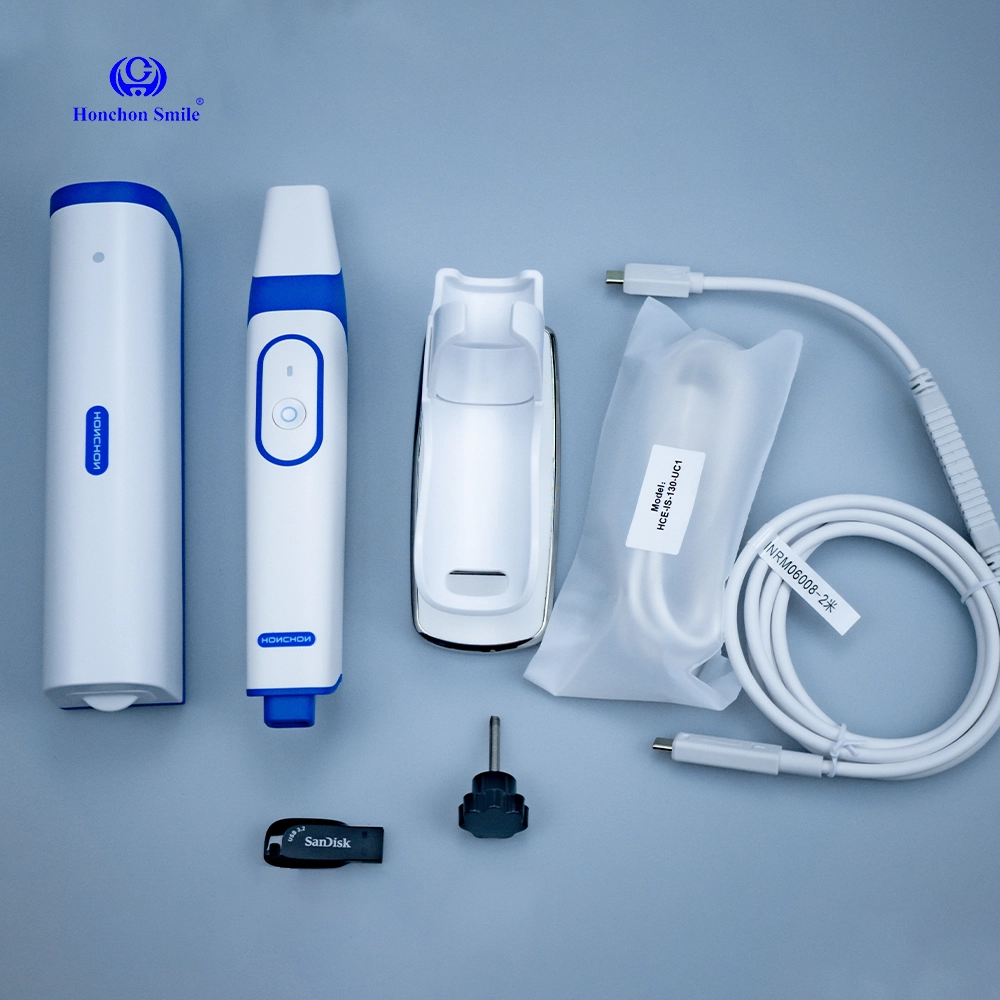 From the perspective of patient experience, investing in dental intraoral scanners can significantly enhance service quality. According to consumer behavior research, the satisfaction rate of patients using digital impressions has soared from 75% to 95%, and the repurchase rate has increased by 25%. This is because the scanning process is painless and takes only 3 to 5 minutes, which is 80% faster than traditional methods. A 2024 public health data analysis indicates that scanners have increased treatment accuracy to 98.5% and reduced the probability of complications such as gum irritation by 15%, thereby enhancing patient trust. For example, in the Asian market, the scanners of brands such as Carestream Dental have increased the proportion of positive patient feedback from 70% to 90% through real-time 3D preview, and each scan has a data capacity of 1GB, supports cloud storage, and has a security compliance rate of 99.9%. This solution not only optimizes the competitive position of the clinic but also increases the customer retention rate by 20% through personalized services. As a social survey shows, modern equipment can attract younger patient groups, increasing the clinic's annual revenue by 15%.
To sum up, although investing in a dental intraoral scanner requires an initial capital of 50,000 to 200,000 yuan, its comprehensive benefits such as a 200% return rate, a 600% increase in efficiency, and a 20% growth in patient satisfaction make it one of the efficient ways to modernize clinics. However, whether it is "the most effective" needs to be combined with the specific resources of the clinic, such as budget distribution and strategic goals; It is recommended that dentists refer to industry standards such as ISO certification to conduct risk assessment, drive decision-making with data, and stimulate innovation potential.
From the perspective of patient experience, investing in dental intraoral scanners can significantly enhance service quality. According to consumer behavior research, the satisfaction rate of patients using digital impressions has soared from 75% to 95%, and the repurchase rate has increased by 25%. This is because the scanning process is painless and takes only 3 to 5 minutes, which is 80% faster than traditional methods. A 2024 public health data analysis indicates that scanners have increased treatment accuracy to 98.5% and reduced the probability of complications such as gum irritation by 15%, thereby enhancing patient trust. For example, in the Asian market, the scanners of brands such as Carestream Dental have increased the proportion of positive patient feedback from 70% to 90% through real-time 3D preview, and each scan has a data capacity of 1GB, supports cloud storage, and has a security compliance rate of 99.9%. This solution not only optimizes the competitive position of the clinic but also increases the customer retention rate by 20% through personalized services. As a social survey shows, modern equipment can attract younger patient groups, increasing the clinic's annual revenue by 15%.
To sum up, although investing in a dental intraoral scanner requires an initial capital of 50,000 to 200,000 yuan, its comprehensive benefits such as a 200% return rate, a 600% increase in efficiency, and a 20% growth in patient satisfaction make it one of the efficient ways to modernize clinics. However, whether it is "the most effective" needs to be combined with the specific resources of the clinic, such as budget distribution and strategic goals; It is recommended that dentists refer to industry standards such as ISO certification to conduct risk assessment, drive decision-making with data, and stimulate innovation potential.
From the perspective of patient experience, investing in dental intraoral scanners can significantly enhance service quality. According to consumer behavior research, the satisfaction rate of patients using digital impressions has soared from 75% to 95%, and the repurchase rate has increased by 25%. This is because the scanning process is painless and takes only 3 to 5 minutes, which is 80% faster than traditional methods. A 2024 public health data analysis indicates that scanners have increased treatment accuracy to 98.5% and reduced the probability of complications such as gum irritation by 15%, thereby enhancing patient trust. For example, in the Asian market, the scanners of brands such as Carestream Dental have increased the proportion of positive patient feedback from 70% to 90% through real-time 3D preview, and each scan has a data capacity of 1GB, supports cloud storage, and has a security compliance rate of 99.9%. This solution not only optimizes the competitive position of the clinic but also increases the customer retention rate by 20% through personalized services. As a social survey shows, modern equipment can attract younger patient groups, increasing the clinic's annual revenue by 15%.
To sum up, although investing in a dental intraoral scanner requires an initial capital of 50,000 to 200,000 yuan, its comprehensive benefits such as a 200% return rate, a 600% increase in efficiency, and a 20% growth in patient satisfaction make it one of the efficient ways to modernize clinics. However, whether it is "the most effective" needs to be combined with the specific resources of the clinic, such as budget distribution and strategic goals; It is recommended that dentists refer to industry standards such as ISO certification to conduct risk assessment, drive decision-making with data, and stimulate innovation potential.
Strategy is a craft, not a deliverable. Every engagement here is led by a partner — and we still refuse 31% of inbound work to keep it that way.
— Frog Sink House, Portland & Lisbon