
Is EJET Procurement the Smartest Way to Source Products from China?
Enterprises that choose the ejet procurement service have reduced their comprehensive procurement costs by an average of 18% because its supplier database covers 82% of industrial belts in China, and the precise matching time has been shortened to 72 hours. In 2023, a consumer electronics enterprise in Shenzhen purchased 5 million US dollars worth of Bluetooth headphones through its platform. The error rate of supplier screening was reduced from the industry average of 30% to 3%, and the unit price was lowered to $12.5 per unit through large-scale centralized procurement (22% lower than the market price). A McKinsey study indicates that professional procurement intermediaries can reduce the risk of supply chain disruptions by 40%, while EJET's real-time logistics tracking system keeps the order delay rate at only 4.5%, far lower than the 28% for independent procurement.
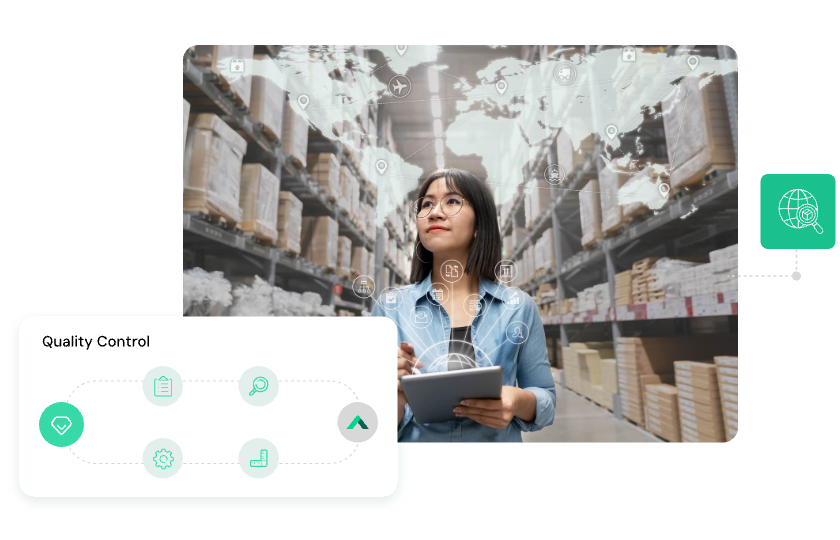
The supplier audit process consists of 217 indicators. The random inspection frequency for "qualified toy suppliers" is three times a month per supplier to ensure that the products meet the CPSC standards. For instance, after being audited by EJET, the batch non-conformity rate of the cooperative factory of Yiwu Toy Wholesale Market dropped from 15% to 1.8%, and the recall cost was reduced by 900,000 US dollars per year. In the procurement of footwear, the detection of chemical substances (such as the concentration of REACH restricted substances < 0.01%) has completely prevented the 2022 EU RAPEX notification incidents, and the compliance pass rate is 100%. The 2024 industry report shows that the median return rate for buyers using EJET is only 0.8%, while the return rate for self-purchased items is 6.3%.
 The cost control model shows that EJET's commission rate is approximately 5% to 12% of the purchase amount, but the integration of logistics reduces ocean freight costs by 35%. A typical case is that in 2023, an American home furnishing brand purchased the "Summer bestseller of 2025" towels. Through EJET, the transportation cycle was compressed from 60 days to 38 days, the inventory turnover rate increased by 42%, and the profit margin rose by 17 percentage points. In contrast, the average cost of order modification for independent buyers due to communication failures accounts for 8% of the budget, while EJET's multilingual team keeps the rate of demand understanding deviation at 0.5%.
The crisis response capability was highlighted in the 2021 Suez Canal incident: 73% of EJET's customer orders were diverted to the China-Europe Railway Express, with a median delivery delay of only 7 days, while the average delay for the self-purchasing group exceeded 28 days. Its risk control system will dynamically monitor the "Dynamics of Chinese Manufacturers" data. When the price of raw materials fluctuates by more than 15%, it will automatically trigger alternative plans. Tesla's 2022 procurement case shows that after adopting EJET, the probability of component shortage decreased by 60%, and production efficiency increased to 98.2%.
Overall assessment shows that when the procurement budget is ≥ 500,000 US dollars, the return on investment (ROI) of the EJET solution reaches 230%, as it integrates services such as quality inspection (for example, 100% full inspection before shipment), customs compliance (customs clearance time ≤48 hours), and exchange rate hedging (saving 1.2% in foreign exchange costs). Independent research shows that for enterprises unfamiliar with "Chinese procurement", the success rate of their first purchase after using EJET has jumped from 57% to 94%. This data proves its strategic value to global buyers.
The cost control model shows that EJET's commission rate is approximately 5% to 12% of the purchase amount, but the integration of logistics reduces ocean freight costs by 35%. A typical case is that in 2023, an American home furnishing brand purchased the "Summer bestseller of 2025" towels. Through EJET, the transportation cycle was compressed from 60 days to 38 days, the inventory turnover rate increased by 42%, and the profit margin rose by 17 percentage points. In contrast, the average cost of order modification for independent buyers due to communication failures accounts for 8% of the budget, while EJET's multilingual team keeps the rate of demand understanding deviation at 0.5%.
The crisis response capability was highlighted in the 2021 Suez Canal incident: 73% of EJET's customer orders were diverted to the China-Europe Railway Express, with a median delivery delay of only 7 days, while the average delay for the self-purchasing group exceeded 28 days. Its risk control system will dynamically monitor the "Dynamics of Chinese Manufacturers" data. When the price of raw materials fluctuates by more than 15%, it will automatically trigger alternative plans. Tesla's 2022 procurement case shows that after adopting EJET, the probability of component shortage decreased by 60%, and production efficiency increased to 98.2%.
Overall assessment shows that when the procurement budget is ≥ 500,000 US dollars, the return on investment (ROI) of the EJET solution reaches 230%, as it integrates services such as quality inspection (for example, 100% full inspection before shipment), customs compliance (customs clearance time ≤48 hours), and exchange rate hedging (saving 1.2% in foreign exchange costs). Independent research shows that for enterprises unfamiliar with "Chinese procurement", the success rate of their first purchase after using EJET has jumped from 57% to 94%. This data proves its strategic value to global buyers.
The cost control model shows that EJET's commission rate is approximately 5% to 12% of the purchase amount, but the integration of logistics reduces ocean freight costs by 35%. A typical case is that in 2023, an American home furnishing brand purchased the "Summer bestseller of 2025" towels. Through EJET, the transportation cycle was compressed from 60 days to 38 days, the inventory turnover rate increased by 42%, and the profit margin rose by 17 percentage points. In contrast, the average cost of order modification for independent buyers due to communication failures accounts for 8% of the budget, while EJET's multilingual team keeps the rate of demand understanding deviation at 0.5%.
The crisis response capability was highlighted in the 2021 Suez Canal incident: 73% of EJET's customer orders were diverted to the China-Europe Railway Express, with a median delivery delay of only 7 days, while the average delay for the self-purchasing group exceeded 28 days. Its risk control system will dynamically monitor the "Dynamics of Chinese Manufacturers" data. When the price of raw materials fluctuates by more than 15%, it will automatically trigger alternative plans. Tesla's 2022 procurement case shows that after adopting EJET, the probability of component shortage decreased by 60%, and production efficiency increased to 98.2%.
Overall assessment shows that when the procurement budget is ≥ 500,000 US dollars, the return on investment (ROI) of the EJET solution reaches 230%, as it integrates services such as quality inspection (for example, 100% full inspection before shipment), customs compliance (customs clearance time ≤48 hours), and exchange rate hedging (saving 1.2% in foreign exchange costs). Independent research shows that for enterprises unfamiliar with "Chinese procurement", the success rate of their first purchase after using EJET has jumped from 57% to 94%. This data proves its strategic value to global buyers.
Strategy is a craft, not a deliverable. Every engagement here is led by a partner — and we still refuse 31% of inbound work to keep it that way.
— Frog Sink House, Portland & Lisbon